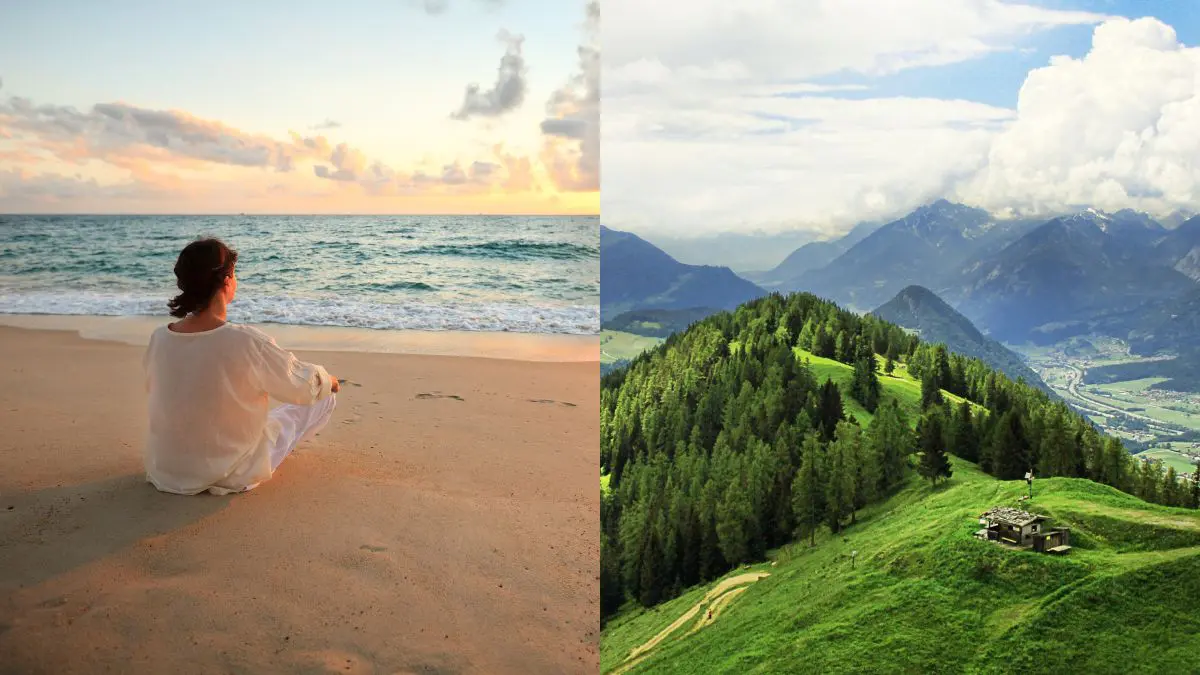

Choosing a summer holiday often comes down to two classic options: the beach or the mountains. Both offer rest, a change of pace, and a break from routine, but they create very different experiences. The right choice depends less on fashion or habit and more on what kind of trip you need this year. For some travelers, even the planning stage reflects how people compare leisure options online, from transport and lodging to side interests like fruits casino games online, all while deciding what form of escape feels most rewarding.
At first glance, the beach seems simple: sun, water, open space, and a slower rhythm. The mountains suggest movement, fresh air, long walks, and distance from crowded places. Yet the real difference is not only in scenery. Each format affects your budget, daily routine, energy level, and even the way you recover from stress. A useful choice begins with understanding what you expect from summer travel.
What a Beach Vacation Offers
A beach holiday is often associated with ease. Many people choose it because the structure of the day is clear. You wake up, spend time by the water, eat nearby, rest, and repeat. This format works well for travelers who want fewer decisions and more passive recovery.
The beach also tends to suit mixed groups. Families with children, couples, and groups of friends can often share the same space while doing different things. One person may swim, another may read, and someone else may walk along the shore. This flexibility makes beach destinations attractive when travelers have different energy levels or interests.
Another advantage is access. In many regions, beach areas offer a wide range of accommodation, transport links, cafes, and services. That can reduce planning stress. If comfort and convenience are priorities, the seaside often feels easier to manage than a mountain route that requires more logistics.
Still, a beach trip is not always the most restful option in practice. Popular seaside destinations may be crowded in peak summer. Heat can also shape the experience more than people expect. If your goal is quiet, privacy, or physical activity, a classic beach break may not fully match your needs.
What a Mountain Trip Offers
Mountain travel usually attracts people who want a more active and structured form of rest. Hiking, cycling, sightseeing, and spending time in cooler air create a different rhythm from a beach holiday. Even short stays in the mountains often feel fuller because each day has a clear direction.
For many travelers, the main benefit is mental distance. Mountain areas can provide silence, fewer distractions, and a stronger sense of separation from work or urban routine. This matters for people who do not recover well by lying still. Some need movement in order to relax, and for them the mountains may be more effective than the coast.
Climate is another factor. In hot summer periods, mountain regions often offer lower temperatures, especially in the morning and evening. This can make sleep better and daytime activity more comfortable. For travelers who dislike intense sun or crowded beaches, that alone may decide the question.
At the same time, mountain holidays often demand more preparation. Walking routes, changing weather, transport, and physical condition matter more there. The trip may be less suitable for travelers who want complete simplicity or who prefer to avoid planning each day.
Budget: Which Option Costs More?
Cost depends on destination, timing, and travel style, but there are patterns worth noting. Beach destinations during peak season can become expensive because demand is high. Prices often rise for hotels close to the sea, sunbeds, parking, and restaurants in tourist zones. Convenience usually comes at a price.
Mountain travel can be either moderate or costly. If you choose a simple guesthouse, cook some meals yourself, and focus on walking or nature-based activities, the trip may stay within a reasonable budget. On the other hand, remote mountain areas, guided tours, equipment rental, or spa hotels can push costs upward.
It is also important to think beyond the room rate. A beach holiday may encourage spending on food, drinks, local entertainment, and short excursions. A mountain trip may require better shoes, transport to trailheads, or travel insurance. In many cases, neither option is automatically cheaper. The better question is where your money will create more value for the type of rest you want.
Comfort, Energy, and Daily Routine
The beach usually supports a low-effort routine. That is helpful after periods of overwork, family pressure, or long months without rest. When people say they want to “do nothing,” they often mean they need a holiday with little structure. The beach serves this purpose well.
The mountains create a different form of recovery. They can be physically demanding, but they often provide a stronger feeling of renewal. Reaching a viewpoint, spending hours outdoors, or following a route from morning to evening can restore attention and improve mood. This kind of holiday suits people who return from passive travel feeling bored rather than refreshed.
Your personal habits matter here. If you enjoy early starts, walking, and changing scenery, a mountain trip may fit you better. If you value comfort, stable weather, and easy access to services, the beach may be the stronger option.
Which Option Is Better for Different Travelers?
There is no universal answer, but some patterns are clear. A beach vacation often works best for families with young children, travelers seeking simple rest, and anyone who wants comfort without much planning. It also suits short trips, because there is little learning curve: you arrive and settle in fast.
The mountains are often a better match for travelers who enjoy active days, cooler temperatures, and landscapes that change from hour to hour. They are also a strong choice for repeat travelers who feel that standard seaside holidays have become predictable.
Couples may find either option suitable depending on what they need. If the goal is ease and time together, the beach may win. If the goal is shared activity and a stronger sense of escape, the mountains may offer more.
How to Make the Final Choice
A useful way to decide is to ask one practical question: what kind of tiredness are you trying to fix? If you are mentally drained and want a trip with little structure, the beach is often the better answer. If you feel physically stagnant, overstimulated by city life, or in need of movement, the mountains may serve you better.
You should also consider the length of the trip. A short summer break often works well by the sea because it is easy to enter that mode quickly. A longer trip may justify the mountains, where varied routes and landscapes can keep the experience engaging over time.
In the end, choosing between the beach and the mountains is not about which option is better in general. It is about which one matches your present needs. Summer travel is most successful when the destination fits your energy, your budget, and the kind of rest you actually need rather than the kind you assume you should want.
