
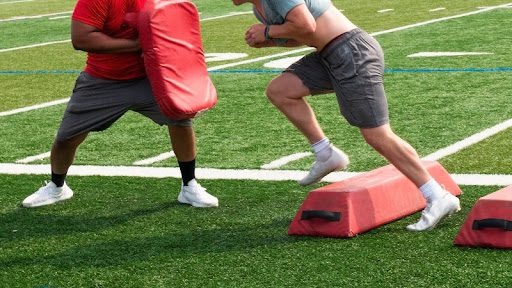
Football injuries are a significant concern in the world of sports, where players face numerous risks during competition. These injuries affect not only the physical health but also the mental well-being of athletes.
Causes of football injuries
Football injuries can occur for many reasons, from technical factors to the playing environment. To understand them better, bong da truc tiep we need to delve deeper into the underlying causes.
Technical and tactical factors
Sometimes, a lack of basic technical or tactical skills can lead to injury. Players who don’t control the ball well, or don’t know how to move safely on the pitch, are at a higher risk of injury.
Lack of experience in handling risky situations can lead to strong collisions with opponents or falls to the ground. This increases the likelihood of injury, especially to areas like the legs, knees, and ankles. Therefore, improving personal skills along with guidance from a coach is crucial.
Competition environment
The playing environment can also play a significant role in causing injuries. We often see players suffer accidents in conditions such as wet grass, uneven surfaces, or surfaces that are too hard. These not only increase the likelihood of slipping but also put greater pressure on joints and muscles.
This underscores that maintaining the quality of training and match pitches is crucial not only for a team’s performance but also for player safety. Leagues, especially professional ones, need to ensure that pitches are regularly cared for and maintained.
Common types of injuries in football

Football injuries are typically categorized according to their severity and location on the body. Below, we’ll review some common types of injuries that players often suffer.
Knee injury
Knee injuries are among the most common injuries in football tỷ lệ kèo bóng đá . When players run or change direction suddenly, the knee ligaments can be stretched or torn. This not only causes pain but can also lead to a long recovery time.
Additionally, collisions are also a cause of knee injuries. Remembering exercises that strengthen the knees, such as gluteal and knee flexion exercises, can help minimize the risk of this injury.
Ankle injury
Ankle injuries are also very common in football. Players who frequently run, jump, and change direction are prone to sprains or tears in their ankle tendons. Treating ankle injuries can be time-consuming and requires patience from both the player and the medical team.
To prevent injury, players should perform ankle strengthening exercises along with focusing on flexibility. Improving motor coordination can also help minimize the risk of injury during intense play.
Effective ways to prevent football injuries.
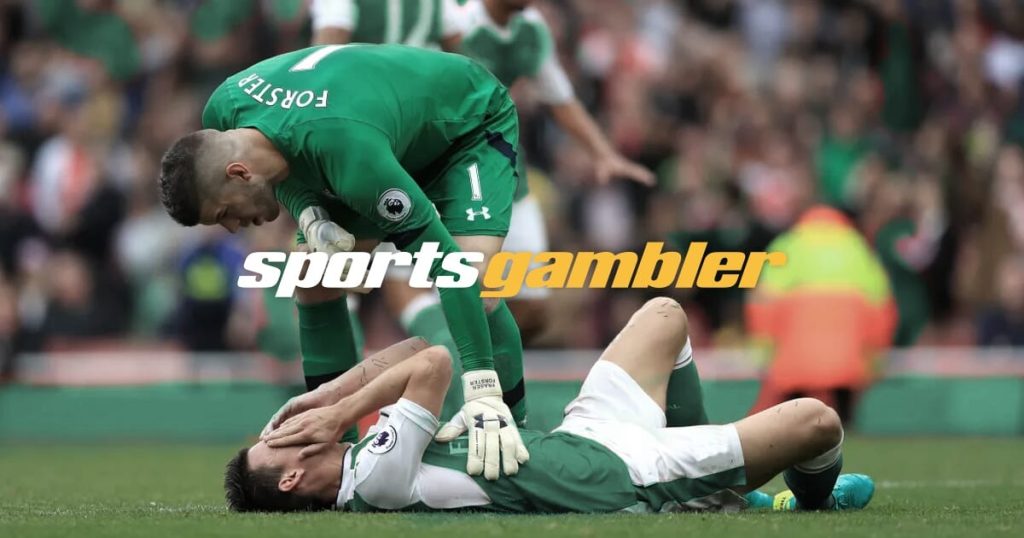
Preventing football injuries is not simply about learning to play well, but also includes sensible measures and knowledge of health care. Below, we will explore effective strategies for this.
Emphasize warm-up and stretching exercises.
Thorough warm-up before competition is essential. Warming up not only heats up the muscles but also increases flexibility in the joints. Stretching exercises also help reduce the risk of muscle stiffness and injury.
Players should actively participate in warm-up exercises that promote flexibility, such as stretching and joint rotations. Additionally, performing strength training exercises is crucial. This helps the body protect itself from the stress of collisions during a match.
A balanced diet
Nutrition plays a significant role in overall health and recovery from injury. Athletes need to ensure they are getting enough essential nutrients for optimal physical performance.
They should focus on getting enough protein, carbohydrates, and vitamins. In particular, a diet rich in calcium and vitamin D helps strengthen bones and joints, which can minimize the risk of injury during competition. Maintaining a healthy eating habit affects not only their health but also their performance.
In short
Football injuries are a complex but unavoidable topic in the world of sports. They can occur due to many reasons, with technique, environment, and preventative measures playing a crucial role. Always remember that prevention is the best way to minimize the risk of injury, and players need to equip themselves with the necessary knowledge and skills to protect themselves.
Investing time in honing skills, maintaining health through proper nutrition, and understanding the correct warm-up techniques are crucial components of a successful player. By implementing these measures, players not only minimize the risk of injury but also enhance their performance.
