
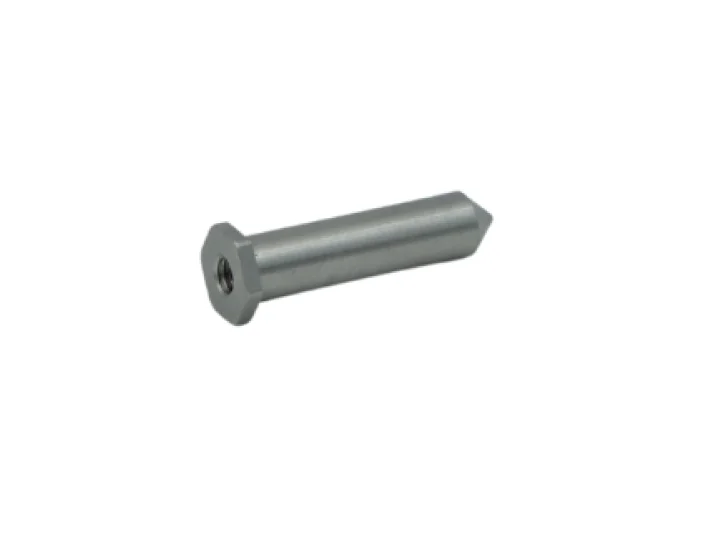
Anyone who has tried to bolt two heavy plates together knows the small panic when the holes refuse to line up. Guide pins solve that problem before it starts. They sit in one part, slide into a matching hole or bushing in the other, and pull both pieces into the same position every single time. The fasteners come later. By then, the work is already aligned, and that one detail changes how the whole joint behaves under load.
Repeatability is the quiet goal here. A press that stamps thousands of parts a shift cannot afford to drift even half a millimetre. Guide pins keep that drift in check. They act as the reference point, so each cycle starts from the same spot. Without them, tolerances stack up fast, and parts that looked fine on Monday start failing inspection by Friday.
What Guide Pins Actually Do on the Line
Think of a pin as a locator first and a support second. Its job is a position. One end seats firmly in the base, often pressed in so it never shifts. The other end tapers slightly, with a rounded or chamfered lead, so it finds the mating hole even when an operator sets the part down a little off. That taper matters more than people expect. A flat-ended pin fights you. A chamfered one walks the part into place with almost no force.
Why Alignment Protects Your Fasteners
Misalignment punishes screws and bolts harder than most people realise. When holes sit even slightly off centre, the fastener has to bend or shave threads just to seat. That cross loads the joint. Over time, you get galling, snapped heads, and threads that strip on the second or third service call. Pins take that abuse instead. They absorb the locating forces, so the fastener only does the one thing it was built to do, which is to clamp.
Materials and Fits That Hold Up
Most pins run on hardened steel for good reason. Soft pins round over, lose their lead, and start to wander. Hardened and ground stock holds its shape through endless cycles. Surface finish counts too. A rough pin drags inside its bushing and chews up both faces.
The fit is a balancing act. Press fits anchor a pin permanently. Slip fits let it move or swap out when worn. Get the clearance wrong on a slip fit, and the part rattles. Too tight, and it seizes mid-cycle. Perhaps that sounds fussy, but a few microns either way decide how long the tooling stays accurate.
How Worn Guide Pins Quietly Wreck Accuracy
Here is why old pins cause so much trouble. Wear creeps in slowly. A pin loses a fraction of its diameter, the matching bushing opens up, and suddenly there is play that simply did not exist a month ago. Nothing snaps. The parts just stop landing where they should.
Operators often blame the fixture or the machine first. The real culprit is usually a tired pin and bushing pair that nobody thought to check. A slope of even a tenth of a millimetre shows up as scrap, rework, and odd intermittent faults that leave a maintenance crew chasing ghosts.
Simple Checks that Keep Pins Reliable
You do not need fancy gear to stay ahead of this. A short routine handles most of it:
- Wipe and inspect each pin for nicks, scoring, or a dull, worn lead.
- Check the pin against its bushing for side-to-side play.
- Look for galling, which shows up as bright, smeared metal.
- Replace pins and bushings as a matched pair, never one alone.
- Keep mating surfaces clean, since grit grinds away clearance over time.
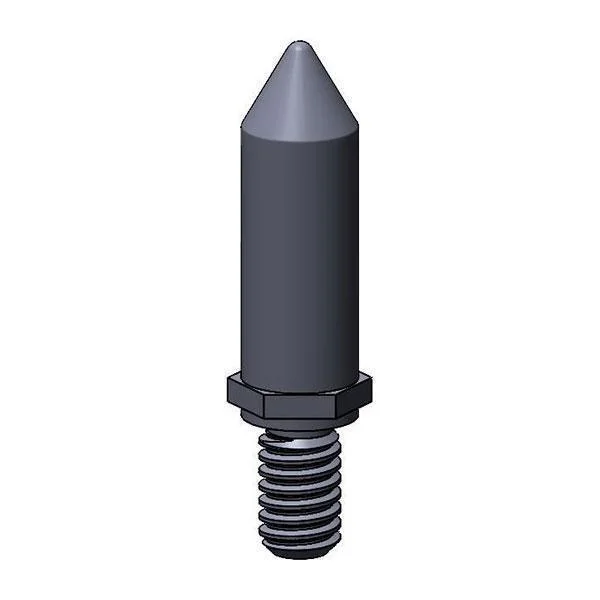
None of this takes much time. A worn pin caught early costs a few dollars. That same pin ignored can hand you a whole shift of bad parts. The math behind a five-minute check is hard to argue with.
Where Guide Pins Earn their Keep
Dies and stamping tools lean on them constantly. Injection moulds do too, where the two halves must close on the exact same line every shot. Assembly fixtures use them to hold panels and brackets steady while bolts go in. Even a plain drilling jig relies on a pin or two to keep a hole pattern honest across a long batch.
The common thread is repetition. Anywhere a process repeats and accuracy matters, a locating pin tends to turn up somewhere in the setup. It is humble hardware. Nobody writes home about it. Yet pull the pins out and watch how fast a clean line turns into a guessing game.
So the next time a joint comes together without a struggle, there is a fair chance a small hardened pin did the hard part first. These pins rarely get any credit. They line things up, soak up the punishment, and let the fasteners finish the job clean. Keep them sharp and seated, and the parts riding behind them tend to take care of themselves.
