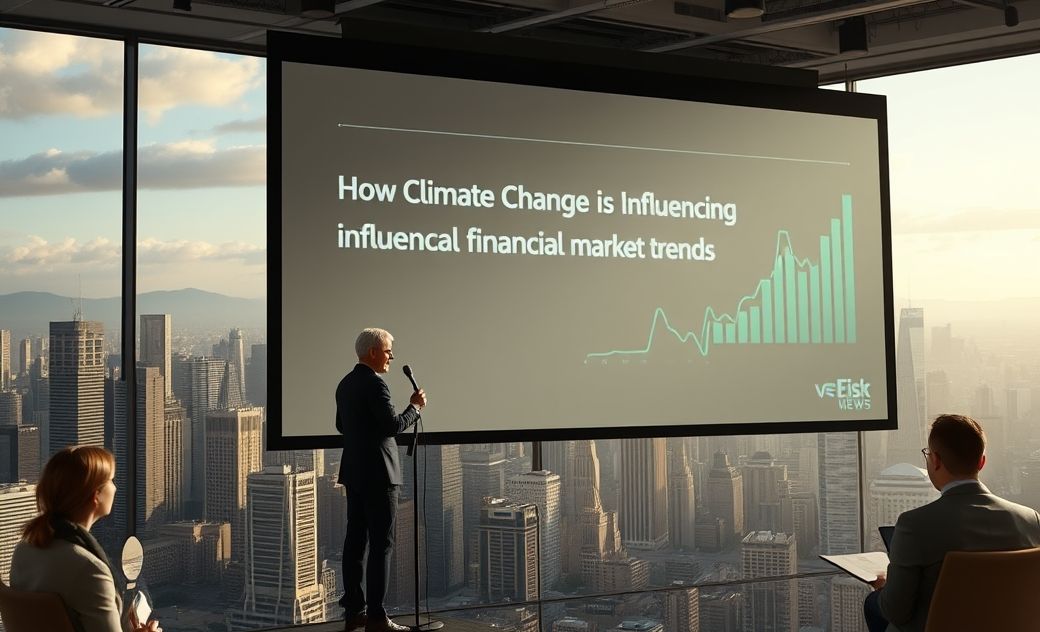

The impact of climate change extends far beyond environmental concerns, significantly influencing global financial markets. As governments, businesses, and individuals become increasingly aware of these impacts, financial markets are responding in various ways. Understanding how climate change is reshaping financial trends is crucial for investors and financial professionals seeking to navigate this evolving landscape.
The Rise of Green Investments
One of the most significant trends driven by climate change is the rise in green investments. Investors are increasingly seeking environmentally friendly opportunities that promote sustainability and reduce carbon footprints. This shift is evident in the growing popularity of green bonds and socially responsible investing (SRI) strategies.
Growth of Green Bonds
Green bonds are fixed-income securities specifically earmarked to raise money for climate and environmental projects. As awareness of climate issues grows, the demand for green bonds has surged. These bonds are becoming an essential tool for companies and governments alike, allowing them to finance projects that contribute to a more sustainable future while offering investors a way to support environmentally conscious initiatives.
Socially Responsible Investing
Socially responsible investing (SRI) has gained traction as investors are increasingly interested in aligning their portfolios with their values. SRI strategies typically screen companies for environmental, social, and governance (ESG) criteria, ensuring that investments support sustainable and ethical practices. This trend is likely to continue as more investors recognize the long-term benefits of sustainable investing.
Regulatory Changes and Their Impact
Regulatory changes are another way that climate change is influencing financial markets. Governments are implementing new policies and regulations to mitigate the impact of climate change, which in turn affects various industries and investments.
Carbon Pricing Mechanisms
Carbon pricing is a method used by governments to reduce global warming emissions. By putting a price on carbon emissions, companies are incentivized to reduce their carbon footprint. This has significant implications for industries with high carbon outputs, such as energy and manufacturing, potentially leading to shifts in market valuation and investment strategies.
Disclosure Requirements
Another regulatory trend is the increased focus on transparency and disclosure regarding climate risks. Governments and regulatory bodies are requiring companies to disclose their climate-related risks and the steps they are taking to address them. This increased transparency is encouraging investors to factor climate risks into their decision-making process, influencing market trends and valuations.
Technological Innovation and Adaptation
The financial markets are also being influenced by technological advances aimed at addressing climate change. Innovations in renewable energy, electric vehicles, and energy efficiency are not only reducing carbon emissions but also presenting new investment opportunities.
The Renewable Energy Sector
As the world seeks to transition to a low-carbon future, the renewable energy sector is expanding rapidly. Technologies such as solar, wind, and hydropower are becoming more cost-effective and widely adopted, driving investment in this sector. The financial markets are responding by valuing companies in the renewable energy industry more positively, reflecting the anticipated growth and demand.
Electric Vehicles
The rise of electric vehicles (EVs) presents another area where climate change is influencing market trends. As technology improvements and policy incentives increase EV adoption, traditional automotive companies are adapting by investing heavily in electric vehicle technology. This shift is being closely monitored by investors as the automotive industry undergoes a significant transformation.
Conclusion
Climate change is an undeniable force reshaping the landscape of financial markets. From the rise of green investments to regulatory changes and technological innovation, the impact is pervasive and evolving. Investors who understand and adapt to these trends will be better positioned to navigate the challenges and opportunities presented by a changing climate. As the world continues to grapple with the effects of climate change, the financial markets will undoubtedly play a crucial role in driving the transition to a more sustainable future.
