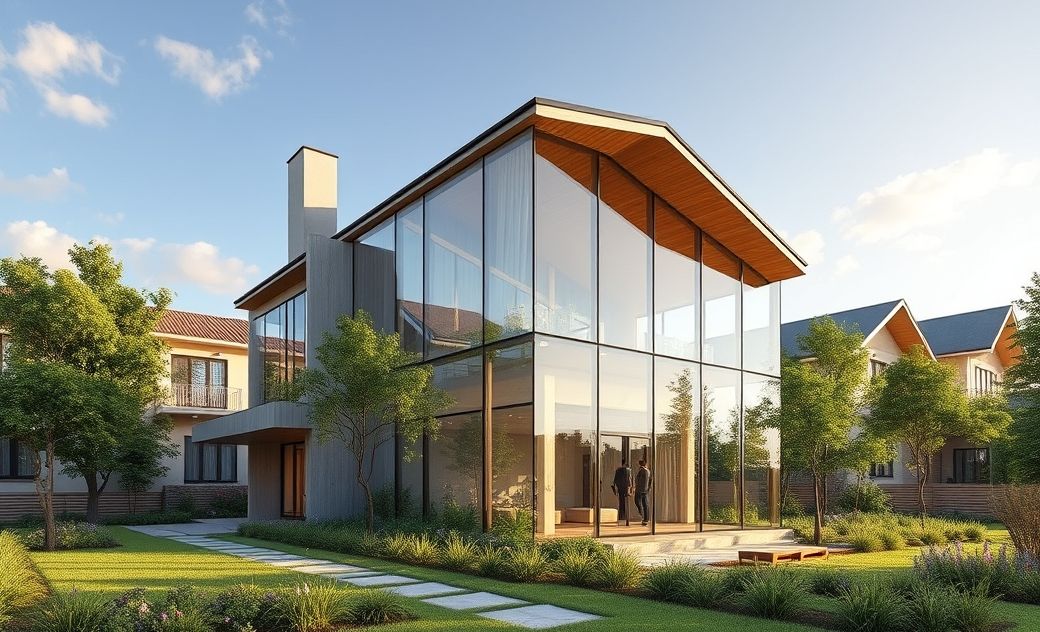

The world of real estate is undergoing a significant transformation with the advent of sustainable architecture. As awareness grows about the impact of housing on the environment, sustainable architecture is paving the way for a more eco-friendly and efficient future. This trend is particularly evident in the residential real estate sector, where innovative designs and technologies are redefining how we think about our homes.
Understanding Sustainable Architecture
Sustainable architecture is a holistic approach to building design that emphasizes environmental responsibility, energy efficiency, and resource conservation. It involves using materials and methods that minimize environmental impact during the construction and lifetime of a building. This approach not only benefits the environment but also enhances the quality of life for occupants.
Key Principles of Sustainable Architecture
Several core principles guide sustainable architecture:
- Energy Efficiency: Designing homes that use less energy, often through superior insulation, energy-efficient heating and cooling systems, and the integration of renewable energy sources like solar panels.
- Resource Conservation: Utilizing sustainable materials such as bamboo, reclaimed wood, and recycled steel to reduce the depletion of natural resources.
- Water Efficiency: Implementing systems that reduce water usage, such as low-flow fixtures, rainwater harvesting, and greywater recycling.
- Indoor Environmental Quality: Enhancing indoor air quality with improved ventilation systems and using non-toxic building materials to ensure a healthy living environment.
The Impact of Sustainable Architecture on Residential Real Estate
Sustainable architecture is reshaping residential real estate by offering homes that are not only environmentally friendly but also economically beneficial. Homebuyers are increasingly valuing sustainable homes for their long-term cost savings and potential to reduce ecological footprints. This shift is driving demand for properties that incorporate green technologies and sustainable features.
Economic Benefits
Investing in sustainable architecture can yield economic benefits for homeowners. Initial costs may be higher than traditional construction. However, sustainable homes often lead to significant savings on utility bills thanks to reduced energy and water consumption. Furthermore, sustainable features can increase property value, making these homes attractive investments.
Environmental and Social Impact
The environmental benefits of sustainable architecture are significant, contributing to reduced greenhouse gas emissions and conservation of natural resources. Moreover, sustainable homes typically provide healthier living environments, which can improve occupants’ well-being and establish stronger community values focused on sustainability.
Trends in Sustainable Residential Architecture
Sustainable architecture in residential real estate is continuously evolving, with several emerging trends gaining popularity:
Passive Solar Design
One prominent trend is passive solar design, which maximizes natural sunlight and regulates indoor temperatures through strategic building orientation and the use of thermal mass materials. This design significantly reduces the need for mechanical heating and cooling systems.
Smart Home Technology
Integrating smart technologies is another trend that enhances energy efficiency. Home automation systems that manage lighting, heating, and appliances help optimize energy use, further aligning with sustainable goals.
Urban Greening
The concept of urban greening, including green roofs and vertical gardens, is becoming a staple in sustainable architecture. These additions improve insulation, increase biodiversity, and promote better air quality in densely populated areas.
The Future of Sustainable Architecture in Real Estate
The future of sustainable architecture in residential real estate looks promising as awareness of environmental issues continues to grow. Builders, architects, and property developers are increasingly focusing on sustainable practices to meet the demand for eco-friendly living. As technology advances and sustainable architecture becomes more accessible, it is poised to become the standard rather than the exception in residential real estate. This shift not only signifies a new era in housing but also a positive step towards a more sustainable and eco-conscious future in real estate.
