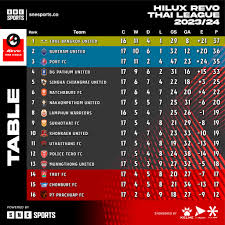

The rhythm of the Thai League’s 2023/2024 season varied dramatically between teams engaged in multiple competitions and those with lighter domestic schedules. Fixture congestion is more than a coaching headache—it reshapes squad management, tactical execution, and the market dynamics of betting odds. Understanding how rotation patterns emerge under scheduling pressure allows bettors to anticipate performance fluctuations not visible from surface-level form charts.
Fixture Congestion as a Strategic Variable
Teams facing dense fixture lists, often participating in AFC competitions or domestic cups, saw fundamental performance drops after consecutive midweek games. Physical fatigue narrows tactical variety and slows pressing intensity. Coaches respond through rotation—resting key attackers, altering full-back patterns, or shifting formations to conserve energy. Such tactical adjustments often generate subtle but measurable differences in expected goal output and defensive transitions that bettors can exploit.
How Rotation Strategy Alters Match Performance
Rotation does not only change personnel—it alters the rhythm of play itself. Second-choice players may reduce possession control or simplify progression patterns. At high altitude or humid conditions, these small deviations cause large disparities in pressing recovery and counterattack readiness. For tightly priced betting markets, these hidden declines explain why favorites with full schedules underperform on short rest.
Identifying Heavy vs. Light Fixture Phases
Across the 2023/2024 schedule, clubs could be grouped based on match frequency and rest intervals:
| Fixture Category | Characteristics | Team Examples (2023/2024) | Typical Performance Effects |
| Heavy Cycle | 2–3 matches per week including cups or continental play | Buriram United, BG Pathum United | Rotation fatigue, declining goal conversion |
| Moderate Cycle | Weekly league action plus intermittent cups | Muangthong United, Port FC | Stable form, moderate injury load |
| Light Cycle | Early cup elimination or fewer competitions | Nakhon Pathom, Lamphun Warriors | Higher energy, consistent defensive metrics |
Monitoring these phases across monthly cycles assisted bettors in timing wagers on fresh squads outperforming tired but high-profile opponents.
Using Rotation Data for Value-Based Betting
From a value-based betting perspective, fixture intensity converts narrative form into statistical inefficiency. Markets often overprice “strong” clubs regardless of rest disadvantage. Identifying emotional bias against schedule reality turns public optimism into contrarian opportunity. For example, a lightweight mid-table side meeting a fatigued giant after consecutive away fixtures often delivers peak upset probability.
Interpreting Short Rest Periods through Performance Metrics
Teams playing on three-day turnarounds tend to post temporary declines across several indicators:
- Sprint frequency and high-intensity run distance drop by 15–20%.
- Shot conversion rate falls as cognitive sharpness wanes.
- Defensive duels won decrease, leading to open transitions.
- Set-piece defense weakens due to concentration fatigue.
These micro-efficiency losses typically surface before bookmakers adjust implied probabilities, creating timing-based value before market correction.
Situational Dynamics and the Role of UFABET
When in-play trends reflect early fatigue or tactical overrotation, a sports betting service such as ufa168 มือถือ becomes an analytical medium for active decision-making. Observers integrating live match data with fixture intensity models can predict late-game volatility—where tired legs allow sudden equalizers or defensive collapses. By synchronizing fixture records with live odds movement, professionals transform preseason scheduling into a live exploit framework rather than static information.
Tactical Comparisons: Depth vs. Consistency
Mechanisms Explaining Squad Depth Impact
Teams with deeper benches sustain higher baseline intensity under rotation yet often lose creative chemistry. Conversely, consistent lineups yield rhythm but expose players to accumulated fatigue. The balance between freshness and familiarity separates stable betting predictability from volatile variance. In 2023/2024, Buriram’s deep rotation offset exhaustion but diluted synergy, while smaller clubs performed better with minimal changes, proving team cohesion can outweigh rest advantage in some fixtures.
Betting Discipline Reflected through casino online Models
A parallel emerges with bankroll management principles within casino online ecosystems, where managing exposure under fluctuating probabilities mirrors handling frequent fixtures. Just as repeated bets without recovery time heighten volatility, congested matches amplify outcome uncertainty. Recognizing pacing, variance control, and scheduled pauses translates directly into disciplined risk strategy. The same patience that defines sustainable gaming translates seamlessly to interpreting fixture fatigue—knowing when not to bet becomes equally profitable as picking winners.
When Fixture Relief Reverses Fatigue Effects
Once heavy cycles conclude, previously fatigued teams often experience swift momentum rebounds. With restored rest intervals, metrics such as sprint recovery and pressing regain intensity, leading to undervalued betting chances. Identifying those inflection points—typically one week after interval normalization—offers alignments between physical regeneration and value resurgence, especially against teams still within congested runs.
Summary
In the 2023/2024 Thai League, the distance between heavy and light fixture schedules profoundly altered team rotation logic and betting landscapes. Rotation choices reflected necessity, not preference, reshaping performance variance across weeks. Bettors who integrated schedule density into live reading and value modeling consistently outmatched those relying only on form tables. Fixture intensity remains an invisible yet measurable factor—one that determines when data, fatigue, and opportunity finally align.
