

The intersection of e-commerce logistics and pharmaceutical delivery has reached a new milestone as the world’s largest retailer moves to dominate the metabolic health market. An equity analyst at Finio24 explains that Amazon has officially launched a nationwide initiative designed to streamline access to highly sought-after weight-loss medications.
The announcement, made on April 21, introduces a “comprehensive GLP‑1 Management Program” that integrates these treatments directly into the patient’s existing primary care framework.
By utilizing the infrastructure of One Medical, the company aims to provide a holistic approach where clinicians monitor weight loss alongside cardiovascular and metabolic health. For those analyzing the financial trajectory of the healthcare sector, these evolving conditions represent a significant shift toward integrated digital-first clinical models.
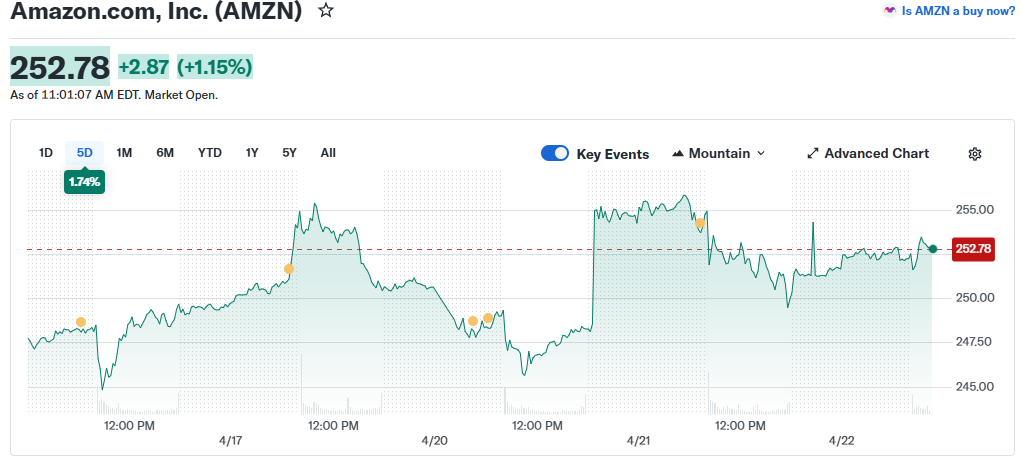
Vertical Integration of Metabolic Care
The core of this new initiative lies in the seamless transition from a clinical consultation to prescription fulfillment. Prescriptions generated through the program are handled by Amazon Pharmacy, which offers transparent pricing and various delivery options for patients across the United States.
This vertical integration allows the firm to maintain institutional-grade productivity by removing the traditional friction points found in the retail pharmacy experience. Patients can now access both injectable and oral formulations of GLP‑1 medications with the convenience of reliable, direct-to-door delivery.
The strategic direction of the organization is clearly focused on capturing a larger share of the chronic disease management market through superior logistics and data integration.
Fulfillment Economics and Distribution Logistics
A primary differentiator for this rollout is the commitment to upfront and clear pricing structures for both insured and uninsured individuals. Financial assessments indicate that monthly out-of-pocket expenses for insured patients can be as low as $25, contingent upon specific policy coverage and medication requirements.
For individuals operating without traditional insurance, the cost floor for oral therapeutic options is set at $149 every thirty days. Injectable formats for cash-paying customers are positioned at a starting point of $299 per monthly cycle.
By providing these clear benchmarks, the firm is addressing the historical lack of transparency that has plagued the pharmaceutical pricing landscape. The logistics network is already operational in all 50 states, with same‑day delivery currently available in nearly 3,000 cities and towns.
Management has expressed plans to expand this rapid delivery capability to approximately 4,500 locations by the end of the year. This aggressive expansion of the supply chain is essential to support the future expectations of a growing patient base that demands immediate access to treatments.
The ability to maintain consistent supply levels for these high-demand medications will be a key indicator of the firm’s longer-term positioning. Success in this area would further solidify the company’s role as a primary disruptor in the traditional brick-and-mortar pharmacy sector.
The Mechanism of Hormonal Regulation
Understanding the clinical impact of these medications is vital for evaluating their long-term market potential and their effect on metabolic conditions. GLP‑1, or glucagon‑like peptide‑1, is a naturally occurring hormone that plays a critical role in how the human body regulates energy and metabolism.
After food consumption, this hormone increases insulin production and limits the amount of sugar released into the bloodstream while signaling satiety to the brain. These effects result in fewer blood‑sugar spikes and a reduced appetite, which can lead to significant and sustained weight loss over time.
The medications were originally FDA‑approved for the management of Type 2 diabetes but have since seen massive adoption for weight-related health improvements.
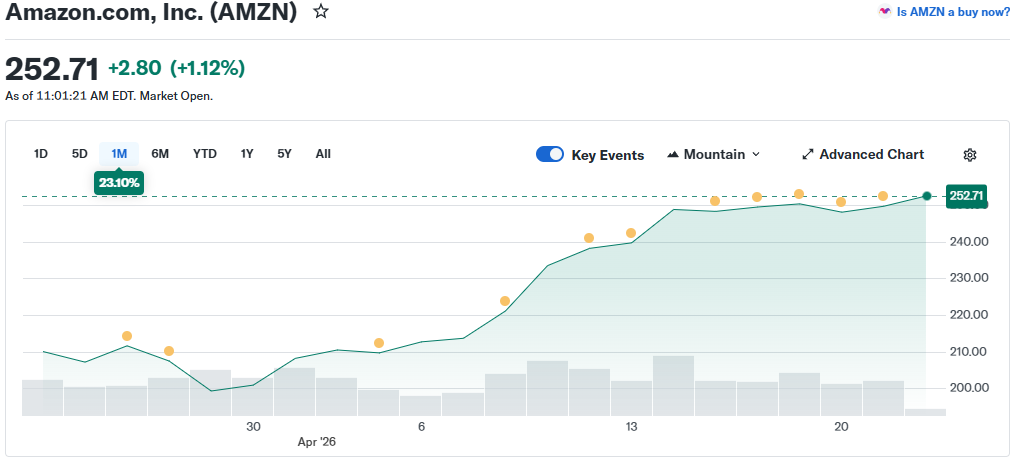
Future Evolution of the Healthcare Market
The long-term impact of this nationwide rollout extends well beyond simple medication delivery, signaling a broader redefinition of the patient journey toward a more integrated care experience. As the industry moves into the latter half of 2026, attention will shift toward how effectively the firm can scale its clinical monitoring services without compromising quality.
The evolving conditions of the pharmaceutical market suggest that integrated care models will become the gold standard for managing chronic weight-related issues. Investors are currently looking for upcoming catalysts in the form of partnership expansions or the inclusion of more specialized therapeutic areas.
The financial trajectory of the healthcare division will be a central theme for the market as it assesses the profitability of these high-volume programs. Ultimately, the strategic direction favored by the company emphasizes the importance of accessibility and reliability in patient care.
By leveraging its massive technological and logistical advantages, the firm is positioning itself to be the primary provider for metabolic health services. The future expectations for the program are high, particularly as it moves toward its year-end delivery expansion goals.
Maintaining institutional-grade productivity while ensuring patient safety and clinical excellence will be the ultimate differentiator for the organization. Monitoring the longer-term positioning of this initiative will be essential for anyone tracking the intersection of big tech and modern medicine.
