

The enterprise software sector is navigating a period of heightened skepticism as institutional investors weigh the long-term viability of legacy platforms. According to recent data from J.P. Morgan, hedge funds are increasingly positioning themselves against the stock as broader sentiment remains fragile.
Investment strategists at Finio24 examine the recent developments regarding the enterprise firm ServiceNow, which has reportedly become a primary target for short-selling activity. This trend follows a global sell-off in the software space earlier this year, driven by the perception that generative AI presents an existential threat to established business models.
For those monitoring the financial trajectory of the tech industry, these evolving conditions suggest that reassurances from industry leaders have yet to fully calm the market.
Analyzing Short Interest and Market Performance
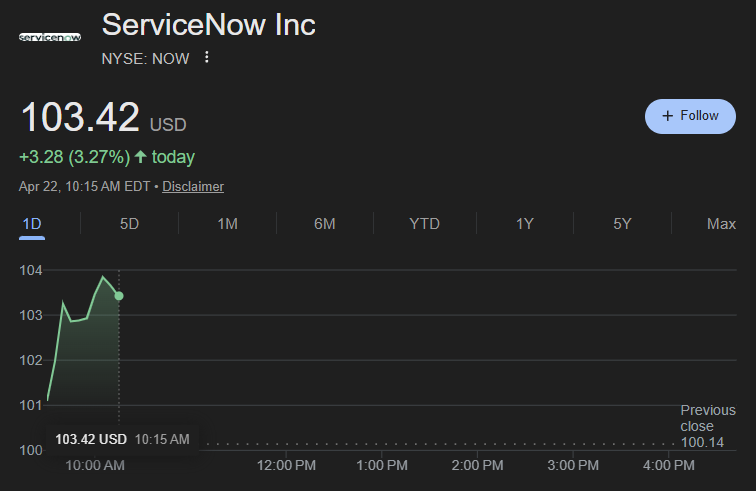
The technical data compiled by LSEG highlights the extent of the current bearish sentiment surrounding the cloud-based platform. Current metrics indicate that the short interest for the firm has climbed to approximately 2.9% of the available float.
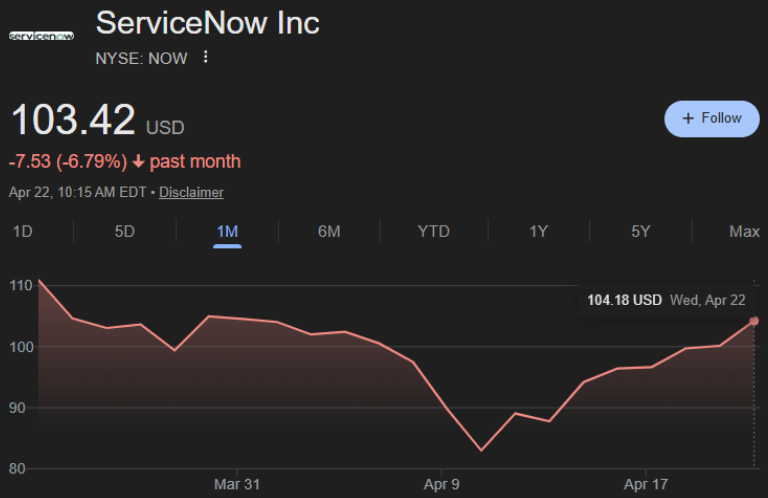
This positioning coincides with a significant price correction, as the stock has experienced a decline of roughly 35% since the start of the year. This downward pressure reflects a broader trend where investors are scrutinizing institutional-grade productivity tools for their ability to integrate AI without cannibalizing their own revenue.
The strategic direction of many hedge funds suggests they are betting on a protracted recovery or further structural disruption within the sector. Furthermore, the velocity of this sell-off indicates a loss of confidence in the traditional per-seat licensing model.
As automated workflows become more efficient, the necessity for high-volume human interaction decreases, potentially limiting future expansion for legacy providers. Market observers are particularly focused on the $112 billion market cap threshold, as falling below this level could trigger further algorithmic liquidations.
This shift in capital allocation demonstrates a clear preference for companies that own the foundational AI models rather than those simply wrapping them in existing interfaces.
Tactical Hedging and Earnings Expectations
Ahead of the company’s scheduled earnings release, J.P. Morgan has issued specific tactical guidance for investors currently holding bearish positions. The brokerage recommends a complex strategy involving the purchase of short-dated call spreads to mitigate the risk of a sudden price spike.
This approach is partially funded by the sale of out-of-the-money puts, providing a cost-effective hedge against near-term volatility. By utilizing short-dated call spreads, investors can maintain their bearish conviction while protecting against a potential relief rally driven by better-than-expected quarterly figures.
Such sophisticated maneuvers highlight the complexity of the current financial trajectory, as market participants brace for high-impact upcoming catalysts. Despite the technical potential for a short-term bounce, the brokerage maintains a cautious stance on the broader software narrative.
The “overhang” of AI-related concerns is viewed as a structural issue that a single quarterly report is unlikely to resolve immediately. Since the February sell-off, the market has demanded clear evidence of AI monetization rather than mere promises of future integration.
This shift in future expectations has created a difficult environment for legacy players trying to reassert their dominance in a rapidly shifting technological landscape. There is also a growing concern that the barrier to entry for mid-level enterprise tools is dropping rapidly.
If AI-native competitors can offer similar workflow efficiencies at a fraction of the cost, the valuation premiums of the current leaders will remain under significant pressure. Consequently, the strategic direction for the firm must emphasize deeper vertical integration and specialized data silos that general-purpose AI cannot easily penetrate.
Sentiment Inertia and Long-Term Ecosystem Stability
The broader implications of this short-selling trend suggest a period of consolidation for the enterprise software ecosystem. As investors look toward the longer-term positioning of their portfolios, the focus remains on which firms can successfully pivot toward AI-native architectures.
The evolving conditions of the market have led to a “show-me” story where valuation premiums are no longer granted based on historical growth alone. Maintaining institutional-grade productivity while fending off agile, AI-first startups remains the primary challenge for the company’s leadership.
Synthesizing The Strategic Outlook
Ultimately, the market’s current skepticism is a reflection of the profound uncertainty regarding the pace of technological disruption. With several upcoming catalysts expected in the coming weeks, the longer-term positioning of the stock will depend on its ability to demonstrate resilient margins.
The financial trajectory for the remainder of the fiscal year will be closely watched by both bulls and bears alike. For now, the cautious stance of major brokerages suggests that the path to a full sentiment recovery remains fraught with technical and fundamental hurdles. The strategic direction for the company must therefore prioritize transparency regarding their internal AI transformation. For institutional holders, the focus remains on ensuring that their longer-term positioning is aligned with the winners of this structural reorganization.
