
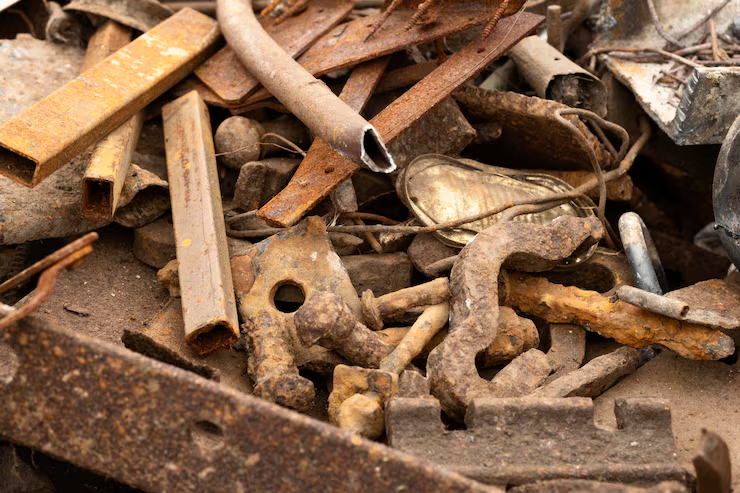
You’ve probably got scrap metal sitting around somewhere. Maybe it’s an old air conditioner in the shed, copper pipes from a renovation, or steel beams from a demolition job. Most people don’t realise how much value is locked up in what looks like junk. The truth is, metal doesn’t belong in a landfill. It’s one of the few materials that can be recycled endlessly without losing its inherent quality. That’s why knowing what you can recycle matters more than you might think.
Melbourne and Tasmania have solid metal recycling infrastructure, but not everyone knows what’s accepted or how to prepare their scrap. Metal recyclers across both regions process thousands of tonnes each year, yet confusion remains about what materials qualify for recycling. If you’re running a construction site or managing an industrial operation, getting this wrong can cost you time and money. For households, it’s about doing the right thing for the environment, whilst maybe earning a bit back. Either way, understanding what goes where makes the whole process smoother.
Metal recycling isn’t just about clearing space. It’s about reducing the need to mine new ore, cutting energy consumption, and keeping reusable materials in circulation. Aluminium recycling, for example, uses about 95% less energy than producing new aluminium from bauxite. That’s a massive difference. Steel, copper, and brass all follow similar patterns. The environmental case is strong, but so is the economic one.
What Counts as Recyclable Metal
Not all metal is created equal when it comes to recycling. The industry splits materials into two main categories: ferrous metals and non-ferrous metals. Ferrous metals contain iron and are magnetic. Think steel, cast iron, and most structural metals used in building and manufacturing. Non-ferrous metals don’t contain iron and include aluminium, copper, brass, lead, and stainless steel. The distinction matters because they’re processed differently and have different values.
Non-ferrous metals command higher returns because they’re lighter and often more difficult to extract. Copper wiring, aluminium cans, brass fittings, and stainless steel appliances all fall into this group. Copper is particularly sought after. Electricians, plumbers, and demolition crews often accumulate copper without realizing its worth. Aluminium is lighter and easier to transport, making it a favourite for both commercial and residential recyclers.
Common Materials We Accept
Construction sites generate tonnes of recyclable metal. Steel beams, rebar, roofing sheets, and structural supports are standard fare. When a building gets stripped down, the metal framework is often the most valuable component. Aluminium window frames, guttering, and cladding also get separated and recycled. These materials come in bulk, which is why commercial pickups make sense for larger projects across Melbourne and Tasmania.
Household scrap looks different but still has value. Old appliances like washing machines, fridges, and air conditioners contain multiple types of metal. Copper wiring runs through electronics. Aluminium shows up in cooking pots, bike frames, and garden furniture. Even small items like taps, doorknobs, and curtain rods can be recycled. The catch is that these smaller quantities aren’t cost-effective for pickup services. Most households will need to bring items to the yard themselves, perhaps hiring a truck if the load is substantial.
Preparing Your Scrap for Recycling
Preparation makes a difference in how quickly your scrap gets processed. Removing non-metal components is the first step. Plastic casings, rubber seals, and glass panels should be stripped off where possible. This isn’t always feasible, especially with complex appliances, but even basic separation helps. For example, pulling copper wiring out of motors or cutting away plastic insulation from cables increases the material’s value.
Contamination is something to watch for. Oil-soaked metal, paint-covered surfaces, or materials mixed with concrete can complicate recycling. Some scrap yards accept these under certain conditions; others don’t. It’s worth checking ahead if your load includes anything questionable. Clean, dry metal is always easiest to process. For businesses dealing with scrap metal exports, understanding material standards is even more critical, as international buyers have strict specifications.
What Doesn’t Get Accepted
Not everything metal can go through standard recycling channels. Radioactive materials, medical waste, and certain chemical containers are outright banned. Pressurised cylinders, such as gas bottles, require special handling and often can’t be processed at regular yards. Asbestos-containing materials are another no-go. If you’re demolishing older buildings, this is something to check carefully, as mixing asbestos with clean scrap can create serious problems.
Treated or coated metals can be tricky. Galvanised steel has a zinc coating that affects processing. Chrome-plated items might need different handling. These usually still get recycled but might be separated from standard loads. The same goes for metals mixed with other materials, such as reinforced concrete or composite panels. Separation costs money, which influences whether they’re accepted.
How Collection Works for Commercial Sites
Large commercial operations across Melbourne and Tasmania can arrange pickups for substantial scrap volumes. Building sites, demolition projects, and industrial facilities generate enough metal to make collection worthwhile. The process starts with an assessment of what you’ve got and how much space it occupies. Bins or containers might be dropped off for ongoing collection, or a one-time pickup can be scheduled when a project wraps up.
For smaller commercial businesses, the equation changes. A plumbing company might collect copper offcuts over months before having enough for a worthwhile trip to the yard. Electricians face similar situations with cable waste. These businesses often bring the material in-house rather than arrange pickups. It’s about volume. A few dozen kilograms doesn’t justify a truck visit, but a ton or more might.
Household Recycling Options
Households sit in a different category. Small quantities of scrap metal don’t warrant commercial pickup services. The costs don’t stack up for a single washing machine or a bag of aluminium cans. Instead, residents need to transport items to recycling yards themselves. This might mean hiring a ute for an afternoon or making multiple trips in a car if loads are manageable.
Preparation still matters for household recyclers. Breaking down items to fit in a vehicle helps. Removing bulky plastic components reduces load size. Bundling similar metals together makes unloading easier. Even though the quantities are small, treating the process seriously ensures that materials are actually recycled rather than ending up in general waste.
The Role of Compliance and Standards
Metal recycling operates under environmental regulations designed to protect both workers and communities. Australian standards govern how materials are handled, stored, and processed. For businesses dealing with ferrous and non-ferrous metals, staying compliant isn’t optional. It affects everything from site safety to export documentation.
For commercial customers, working with licensed recyclers provides peace of mind. You know materials are being handled properly and disposed of legally. It also creates a clear audit trail in case environmental compliance is ever questioned. Some industries have specific requirements around waste disposal that mandate the use of certified recyclers.
Why Location Matters
Melbourne’s recycling infrastructure differs slightly from Tasmania’s due to population density and industrial mix. Melbourne handles larger volumes because of its construction and manufacturing sectors. More yards, more competition, and generally more options for commercial customers. Tasmanian operations tend to be smaller but still cover the essential services.
Looking at metal recycling across Melbourne and Tasmania reveals a system that works best when everyone understands their role. Commercial operations with substantial volumes can access pickup services that make the process straightforward. Households and small businesses need to bring their own materials, but the environmental and financial benefits still apply. Knowing what’s accepted, how to prepare it, and where compliance fits in makes the whole experience less of a headache. Metal recycling isn’t going away. As resource costs climb and environmental pressures mount, keeping materials in circulation makes more sense than ever. Getting your scrap to the right place is the first step in making that happen.
